Article highlights
- Longevity researcher Dan Buettner has called Singapore a "Blue Zone 2.0": a long-living society built through policy and design rather than tradition.
- But living long isn't the same as living well. MOH figures show the gap between our life expectancy and our healthy life expectancy grew from 10.6 years in 2014 to 11.2 years in 2023.
- Much of that gap is driven by chronic, largely lifestyle-related conditions. Metabolic health, including blood sugar, is one of the biggest levers we have.
- The Blue Zone habits that matter most are simple: move naturally, eat mostly plants and whole foods, sleep and de-stress, and stay connected to people who care about you.
- Healthspan is built decades before old age. The best time to start is now.
When the Netflix series Live to 100: Secrets of the Blue Zones came out, many of us here were surprised to see Singapore featured alongside Okinawa, Sardinia and Ikaria. Researcher Dan Buettner called us a "Blue Zone 2.0", the world's sixth Blue Zone, and the first one that was, in his words, engineered.1,2
It's something to be proud of. But as a health coach, and as someone who was diagnosed with breast cancer and Type 2 Diabetes at the same time at 38, I want to talk about the other half of the story. Because the question isn't only how long we live. It's how many of those years we spend feeling strong, clear-headed and independent.
What is a Blue Zone, anyway?
"Blue Zones" is the name Buettner and his team gave to the regions of the world where people live measurably longer lives, with unusually high numbers of people reaching 100. The original five are Okinawa (Japan), Sardinia (Italy), Nicoya (Costa Rica), Ikaria (Greece) and Loma Linda (California, USA).
What struck researchers was that these places weren't full of gyms or supplements. Instead, they shared a handful of everyday patterns:
- Natural movement built into the day: walking, gardening, climbing stairs.
- Mostly plant-based, whole-food diets, often with beans and vegetables at the centre, and eating until about 80% full.
- Purpose, and rituals that lower stress.
- Strong family and community ties, including faith communities.
Why Singapore made the list
Singapore doesn't have centuries of village tradition behind its longevity. What Buettner highlighted was design and policy, many of which we take for granted.2
The "engineered" Blue Zone
- We walk more than we realise. High car costs (hello, COE), good public transport and walkable neighbourhoods mean most of us clock steps just getting from the MRT to work.
- Families stay close. Schemes like the Proximity Housing Grant encourage families to live near or with their parents, so older Singaporeans stay connected.
- Healthier choices are nudged. From the Healthier Choice Symbol to brown rice options at hawker stalls, the healthier option is often the easier one.
- Healthcare is accessible, and smoking has been pushed down with taxes and strong warnings.
- We're a deeply connected, multi-faith society, and community is a well-documented longevity factor.
The catch: lifespan vs healthspan
Lifespan is how long you live. Healthspan is how long you live in good health: free from disability and chronic disease, able to travel, play with your grandchildren and look after yourself.
In September 2026, the Ministry of Health shared that the difference between Singapore residents' life expectancy and health-adjusted life expectancy increased from 10.6 years in 2014 to 11.2 years in 2023.3 That's lower than the OECD average, which is good news. But it still means that, on average, we spend around 11 years at the end of life in poorer health, and that gap has been widening.
We've become very good at adding years to life. The next challenge is adding life to those years.
Eleven years is a long time. It's the difference between a retirement spent travelling and one spent shuttling between specialist appointments, and between being the person who helps your family and the person who needs their full-time care.
Where metabolic health comes in
Many of the conditions that erode healthspan (heart disease, stroke, kidney disease, some cancers, and even cognitive decline) share a common root: years of poor metabolic health. And in Singapore, blood sugar is a big part of that picture.
- MOH has estimated that 1 in 3 Singaporeans has a lifetime risk of developing diabetes.4
- In a 2024 NUS-led screening of nearly 1,000 people, almost 40% had prediabetes, and many people who believed they had no diabetes turned out to have prediabetes or diabetes.5
- The latest National Population Health Survey found about 1 in 3 residents have high cholesterol or high blood pressure, and flagged a significant rise in obesity.6
The encouraging part? These are exactly the conditions that respond most to the everyday habits Blue Zones are famous for.
My story
In 2022, at 38, I was diagnosed with breast cancer requiring a mastectomy, and Type 2 Diabetes, at the same time. My endocrinologist told me reversing my diabetes was highly unlikely.
I decided to try anyway. I wore a continuous glucose monitor, reshaped how I ate to reduce spikes, added strength training and cardio, and made sleep, breathing and time in nature non-negotiable. Within a year I had lost 16kg and reversed my diabetes.
I share this not because my path is the only one, but because it taught me something important: your healthspan isn't fixed. It responds to what you do, often faster than you'd expect.
Blue Zone habits, Singapore style
You don't need to move to a Greek island. Here's how I'd translate the research into daily life here.
1. Move naturally, and add strength
Take the stairs at the MRT, get off one stop earlier, or do a 10-minute walk around the void deck after dinner. Walking after meals is one of the simplest ways to blunt a blood sugar rise. Because we lose muscle as we age, and muscle is where much of our blood sugar gets used, I also encourage everyone to add some strength training, whether that's at a gym, a park fitness corner or at home.
2. Eat mostly whole foods, in a smarter order
You don't have to give up hawker food. Start with the vegetables and protein, go easy on the rice or noodles, choose kopi or teh "kosong" or "siew dai", and ask for more greens. These small swaps add up to a real difference in how your body handles a meal.
3. Hara hachi bu, or "80% full"
The Okinawan habit of stopping before you're completely full is easier said than done at a buffet or a family dinner. Try slowing down, putting your chopsticks down between bites, and checking in with yourself halfway through.
4. Protect your sleep and manage stress
Long hours and late nights are practically a Singapore sport. But short sleep and chronic stress both push blood sugar up. A consistent bedtime, less screen time at night and a few minutes of slow breathing are some of the most underrated health habits I teach.
5. Stay connected
Eat with family, join a walking group, a community centre class or a faith community. Our kampong spirit is a real health asset.
6. Know your numbers early
Don't wait for symptoms. Go for regular health screening (Healthier SG makes this easier with a regular family doctor) and understand your fasting glucose, HbA1c, cholesterol and blood pressure. If you want to go further, wearing a CGM for a couple of weeks can show you how your body responds to your meals, sleep, exercise and stress.
From our community
When Geraldine started working with me, her HbA1c was 10. Through food sequencing, exercise and learning from her CGM, she lost 17kg and is now off her medications for diabetes, blood pressure and cholesterol. She still enjoys her favourite bak chor mee, now with konjac noodles.
At 66, she describes herself as "vibrant and in full command of my habits." To me, that's what healthspan looks like.
The bottom line
Singapore has done the hard work of building an environment where people can live long lives. What we do with that gift is up to each of us. Healthspan isn't built in our 70s. It's built in our 30s, 40s and 50s, one meal, one walk and one good night's sleep at a time.
No diagnosis is final, and it's never too early (or too late) to start.
Want to see what your own body is telling you?
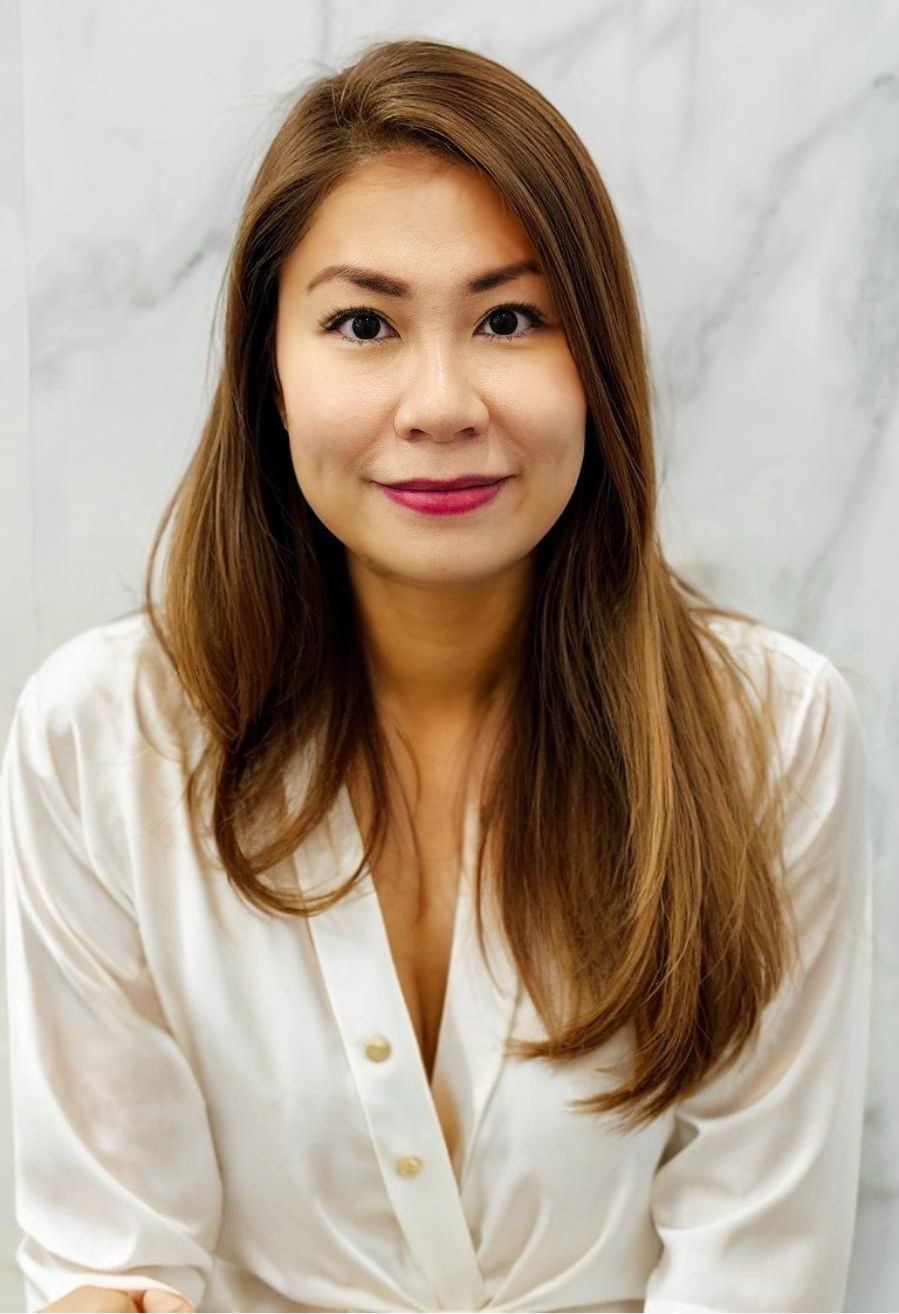
I'm May, a breast cancer survivor who reversed my Type 2 Diabetes with the help of a CGM. I now coach people in Singapore to understand their blood sugar and build habits that last.
Work with meJoin a CGM workshop